
Precision Sorting: The Future of Rice, Millet & Grain Processing Machinery
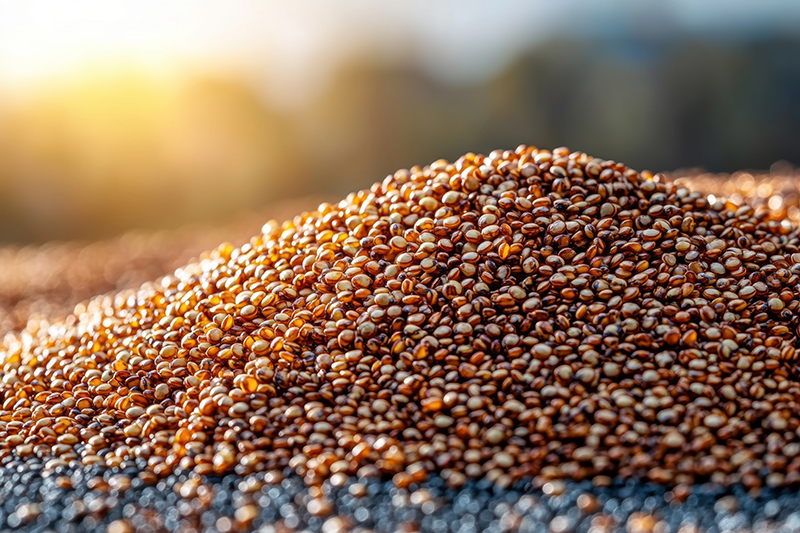
Introduction Precision is the new standard in grain processing. Whether you’re producing for the local market or exporting to international clients, processors must deliver grains that are uniform in appearance, free from defects, and safe for consumption. The latest generation of sorting machinery meets these demands with unmatched efficiency. What Is Precision Sorting? Precision sorting refers to the capability of machinery to detect even the smallest imperfections—such as discoloration, insect damage, or shape irregularities—and separate them from clean product. The systems work at high speed, ensuring bulk processing without compromising on detail. Core Features of Next-Gen Sorters 1. Self-Learning Systems These machines adapt to changes in grain quality by adjusting parameters automatically based on real-time analysis. This ensures consistent output even when raw material conditions vary. 2. Cloud-Based Analytics Newer models offer remote monitoring and production insights through cloud connectivity, allowing operators to track machine performance and optimize productivity remotely. 3. Flexible Multi-Commodity Use A single machine can be configured to sort rice, millet, wheat, pulses, and other grains, making it ideal for processors handling diverse crops across seasons. 4. Energy and Space Efficiency Compact designs with low energy consumption make these machines suitable even for small-to-medium-scale operations looking to scale efficiently. Why Precision Sorting Is the Future Conclusion Grain processing is entering a new era where precision is key to efficiency, profitability, and global competitiveness. By investing in high-accuracy sorters, processors can meet growing quality demands, reduce product loss, and streamline operations. As the industry evolves, precision sorting will be the foundation for delivering consistent, premium-grade grains to every market.
From Field to Table: How Sortex Machines Are Revolutionizing Grain Quality
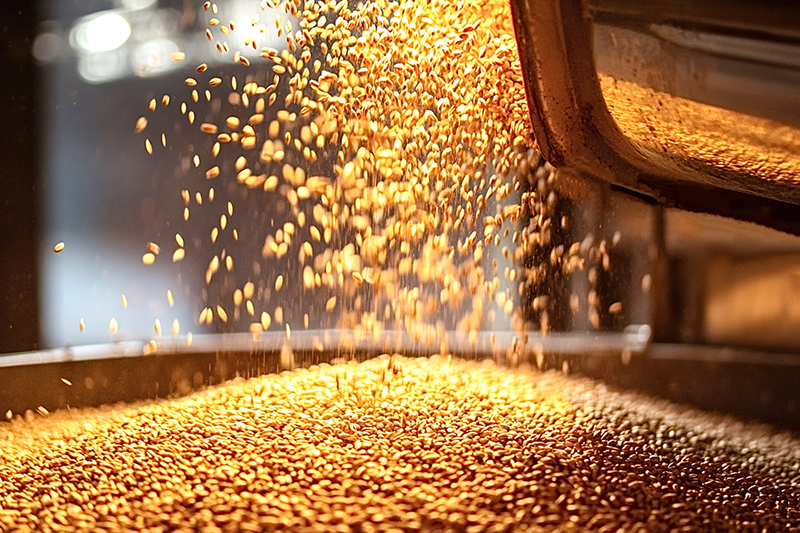
Introduction The journey from harvest to consumption involves more than just cleaning and packaging. Maintaining grain quality throughout the processing chain requires reliable systems that can eliminate contaminants and deliver clean, uniform grains. Sortex machines are making this journey more efficient and consistent than ever. Common Challenges in Grain Quality Grains often carry impurities like stones, dust, broken kernels, and insect-damaged material. Traditional sorting methods may overlook these defects or require heavy manual effort, leading to inconsistent results and higher labor costs. How Sortex Machines Transform the Supply Chain 1. Automated Defect Removal Sortex machines scan thousands of grains per second and automatically reject impurities and defective kernels, ensuring high-quality output with minimal manual handling. 2. Improved Post-Harvest Efficiency Once grains are collected and dried, sorters clean them quickly and thoroughly, shortening processing times and increasing daily throughput. 3. Boosted Market Value Grains that meet uniform quality standards are more likely to secure premium prices in both domestic and export markets. Clean, defect-free rice or millet builds trust among distributors and end users alike. 4. Regulatory Compliance Processors can confidently meet the quality standards required by food safety bodies such as FSSAI or international buyers, reducing the risk of shipment rejections. Real-Time Industry Impact Processors using high-grade sortex systems report significant improvements in batch consistency and export approval rates. Several millet manufacturers have doubled their export volume after adopting automated sorting lines. Conclusion Sortex machines are an essential part of the modern grain value chain. They ensure that what reaches the consumer’s plate is free from defects, hygienic, and visually appealing. Their role is central in elevating food quality from field to table.